
Youth Protection Focus Group

The Youth Protection Focus Group was established to support CSRM member school districts in strengthening their approach to student safety and abuse prevention. This collaborative forum brings together district leaders and practitioners to share resources, discuss emerging concerns, and exchange effective practices related to youth protection. The mission of the Youth Protection Focus Group is to strengthen prevention strategies, enhance staff awareness, and foster safer learning environments. By promoting proactive approaches and open communication, the group aims to reduce organizational risk and prevent future claims related to child abuse or misconduct.

Resources

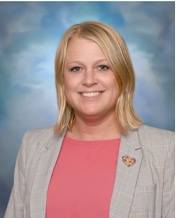
Program Champions

Bio safety refers to the policies, procedures, and safeguards designed to protect individuals and the environment from harmful biological agents. In K–12 and higher-education environments, biosafety supports safe lab operations, limits the spread of infectious illnesses, and promotes overall campus health.

Core Biosafety Principles

  • Infection Control: Reinforcing hygiene practices, cleaning standards, and safehandling of bodily fluids.
  • Safe Laboratory Practices: Proper storage, labeling, transport, and disposal of biological materials used in science, medical, and technical programs.
  • Environmental Health: Identifying and reducing risks related to air quality, mold, allergens, and other indoor environmental concerns.
  • Public Health Preparedness: Developing and implementing plans for outbreaks, exposure incidents, or public health emergencies.
These practices provide a foundation for safer learning environments across both K–12and community college campuses.

Quarterly Meetings

California State Resources

  • California Department of Education (CDE) – Science Safety & School Environment: Guidance on safe lab practices, chemical hygiene, and environmental health in K–12 science classrooms.
  • California Department of Public Health (CDPH) – K–12 Public Health Guidance: Infectious disease mitigation, school health requirements, outbreak response, and environmental health information.
  • California Department of Pesticide Regulation (DPR) – Healthy Schools Act: Requirements and training for integrated pest management and minimizing chemical exposure on campus.
  • California Environmental Protection Agency (CalEPA): School Environmental Health Resources, including indoor air quality and pollution prevention strategies.

Federal Resources

  • Centers for Disease Control and Prevention (CDC) – School Health & Infection Control: Provides guidance on illness prevention, sanitation, and managing biological hazards in school environments.
  • CDC Safe Labs – Biosafety Resources & Tools: Training and safety resources applicable to school science labs.
  • CDC– K–12 Toolkits for Infectious Disease Preparedness: Practical guidance for respiratory virus prevention, outbreak response, and general biosafety.
  • Environmental Protection Agency (EPA) – School Environmental Health Program: Indoor air quality guidance, mold remediation, asthma triggers, and safe management of chemicals.
  • FEMA – Public Health & School Preparedness Resources: Tools for planning and responding to biological incidents or public health emergencies.

Resources

California State Resources

  • California Department of Education (CDE) – Science Safety & School Environment: Guidance on safe lab practices, chemical hygiene, and environmental health in K–12 science classrooms.
  • California Department of Public Health (CDPH) – K–12 Public Health Guidance: Infectious disease mitigation, school health requirements, outbreak response, and environmental health information.
  • California Department of Pesticide Regulation (DPR) – Healthy Schools Act: Requirements and training for integrated pest management and minimizing chemical exposure on campus.
  • California Environmental Protection Agency (CalEPA): School Environmental Health Resources, including indoor air quality and pollution prevention strategies.

Federal Resources

  • Centers for Disease Control and Prevention (CDC) – School Health & Infection Control: Provides guidance on illness prevention, sanitation, and managing biological hazards in school environments.
  • CDC Safe Labs – Biosafety Resources & Tools: Training and safety resources applicable to school science labs.
  • CDC– K–12 Toolkits for Infectious Disease Preparedness: Practical guidance for respiratory virus prevention, outbreak response, and general biosafety.
  • Environmental Protection Agency (EPA) – School Environmental Health Program: Indoor air quality guidance, mold remediation, asthma triggers, and safe management of chemicals.
  • FEMA – Public Health & School Preparedness Resources: Tools for planning and responding to biological incidents or public health emergencies.

Still have Chemical Safety concerns?
Contact Us at slc@csjpa.org or reach out to your designated CSRM Risk Consultant.